

Dominican doc sparks real change
By hola | Published | No Comments
If one purpose of documentary filmmaking is to change the world, a new film screened last night at that D.C. Environmental Film Festival has come close.
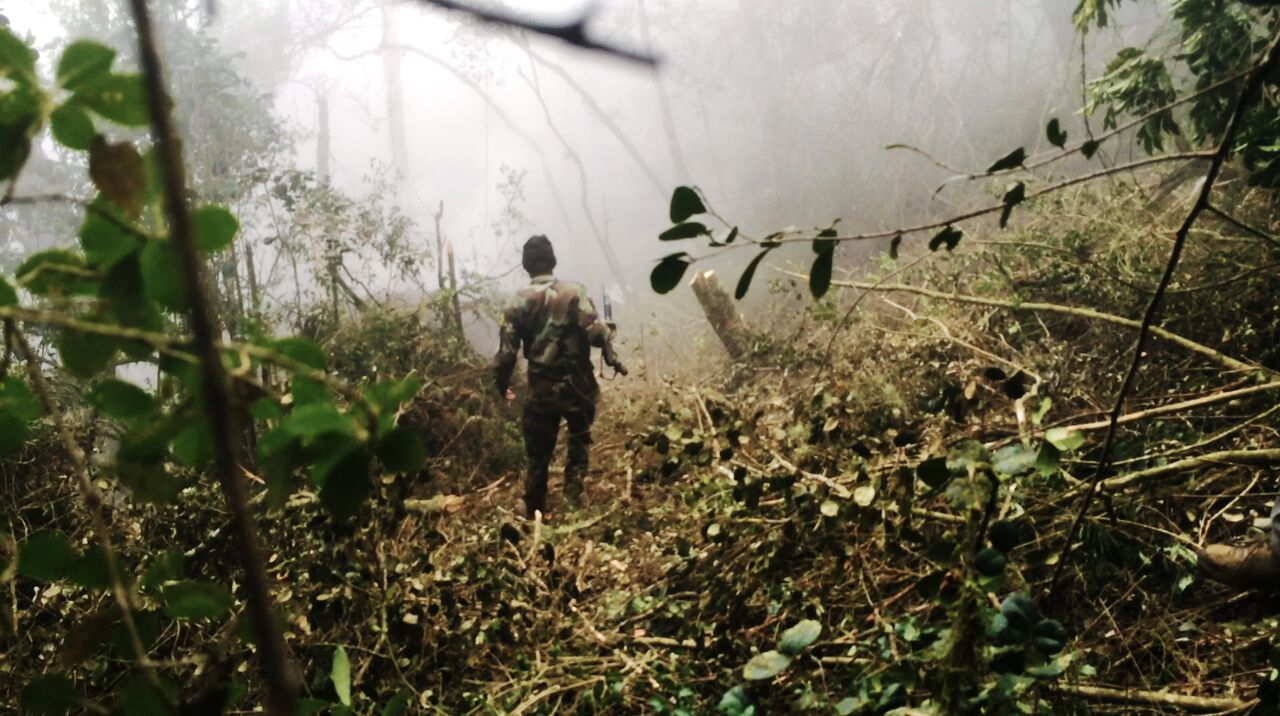 “Death By A Thousand Cuts,” about the devastating effects of deforestation in the Dominican Republic, not only sparked public outrage when it first aired in the Caribbean island nation last year; it prompted swift government action. Dominican President Danilo Medina Sánchez sacked his Minister of the Environment, ordering a government crackdown on logging to supply the illicit trade in charcoal along the Dominican-Haitian border.
“Death By A Thousand Cuts’” co-director, Jake Kheel, who was in town for last night’s screening and discussion at the E Street Cinema, says the problem was rarely talked about before the film’s 2016 release.
“The new Minister of the Environment sat down and watched the film with me during his first week in office,” Kheel says. “He has become a good ally for us and has become a promoter of the issues of protecting the forests and cracking down on charcoal while promoting alternative solutions for fuel sources in Haiti.”
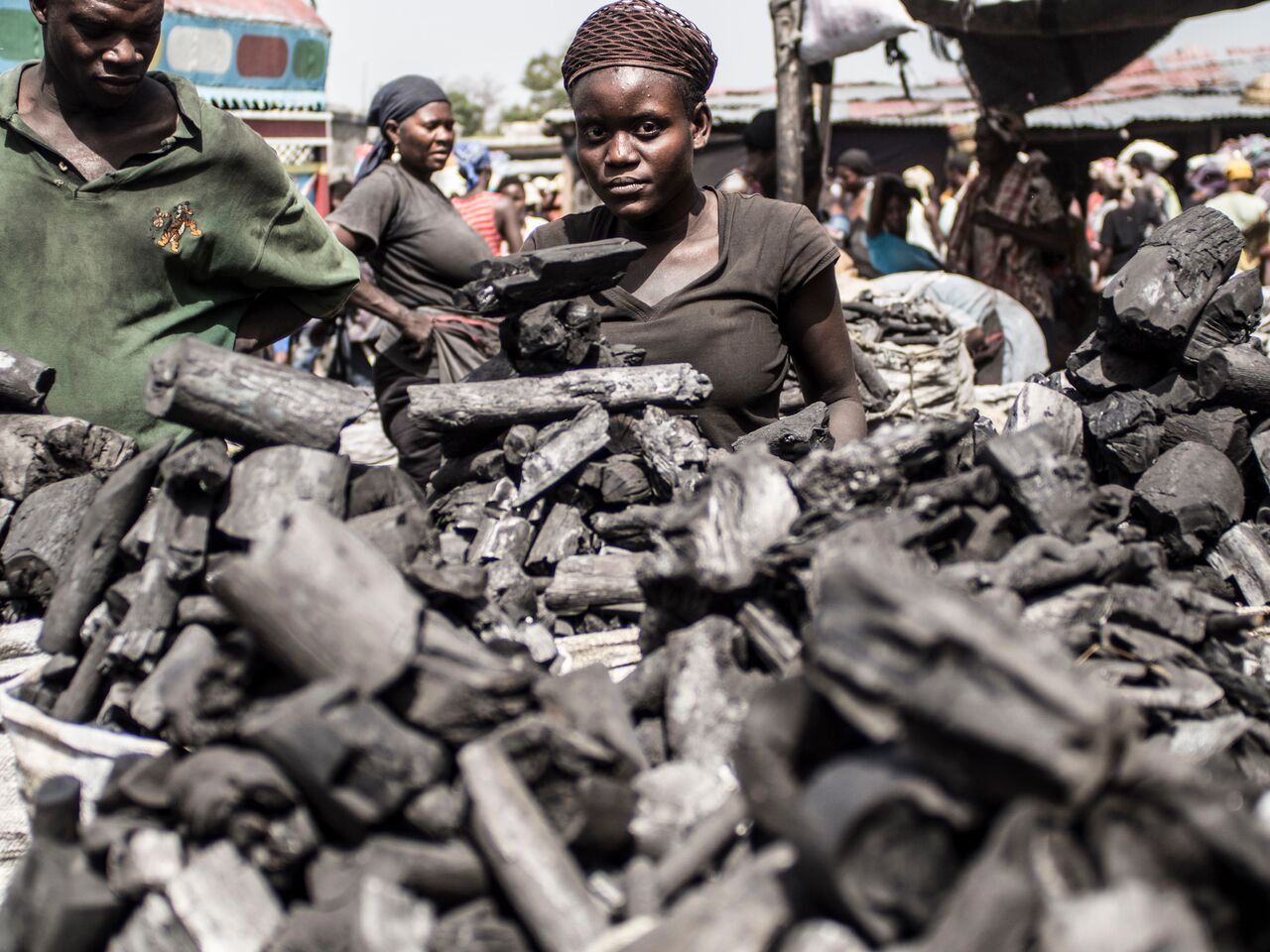 In much of the developing world, poor people rely on charcoal for cooking and other daily needs. Because it is usually produced using timber logged illegally, it’s cheaper than other fuels but what is lost along with the forests are myriad environmental services those forests provide—from clean water filtration to bulkheads against erosion and climate change.
The film, one of three Dominican Night offerings in this year’s DCEFF, was brought to Washington by the Dominican Republic Environmental Film Festival, an initiative of Global Foundation for Democracy and Development (Fundación Global Democracia y Desarrollo), according to Maria Victoria Abreu, Dominican Republic Environment Film Festival program manager.
“It is a privilege and a great opportunity for Dominican film makers to show their films in D.C,” she says. “Washington is a powerful city and I believe in the power of networking, especially for these filmmakers to spread awareness about the topics of their films.”
U.S.-born Kheel had spent many years along the border of Haiti and the Dominican Republic during graduate school. He was planning on publishing an academic study to create awareness about deforestation. But Ben Selkow, the film’s co-producer, suggested a better way to raise awareness was through a documentary. Kheel served as co-director and producer, teaming up with director Juan Mejia Botero.
“Documentaries are such a powerful medium and they are such an important tool,” Kheel says. “The more skills and tools you can utilize the more people you can reach and the more impact you can have.”
 While the deeply entrenched problems of deforestation and illegal trafficking of charcoal have not been stamped out entirely along the country’s border with Haiti, Kheel’s film has alerted Dominicans to what’s at stake, and raised the issues with wider audiences.
The film also has a broader message for countries experiencing deforestation and the loss of the ecological functions tied to forests. But while the need to protect forests is a central theme, Kheel also emphasizes the need to find better alternatives for poor people who live on the border and rely on inefficient uses of natural resources such as charcoal.
“The title of the film speaks to is this idea of death by a thousand cuts,” Kheel explains.
“When you see patches of forest disappearing over time, you don’t really notice until all of a sudden it is no longer a functional forest. So this idea of death by a thousand cuts is happening a lot in different ways all over the world,” he says. “So that is one of the film’s bigger messages as well.”
—Quincey Tickner
Recent Stories


